
proposal-review
How to Compare Elevator Bids When the Scopes Don't Match
By Daniel Van Mil · August 18, 2026 · 7 min read
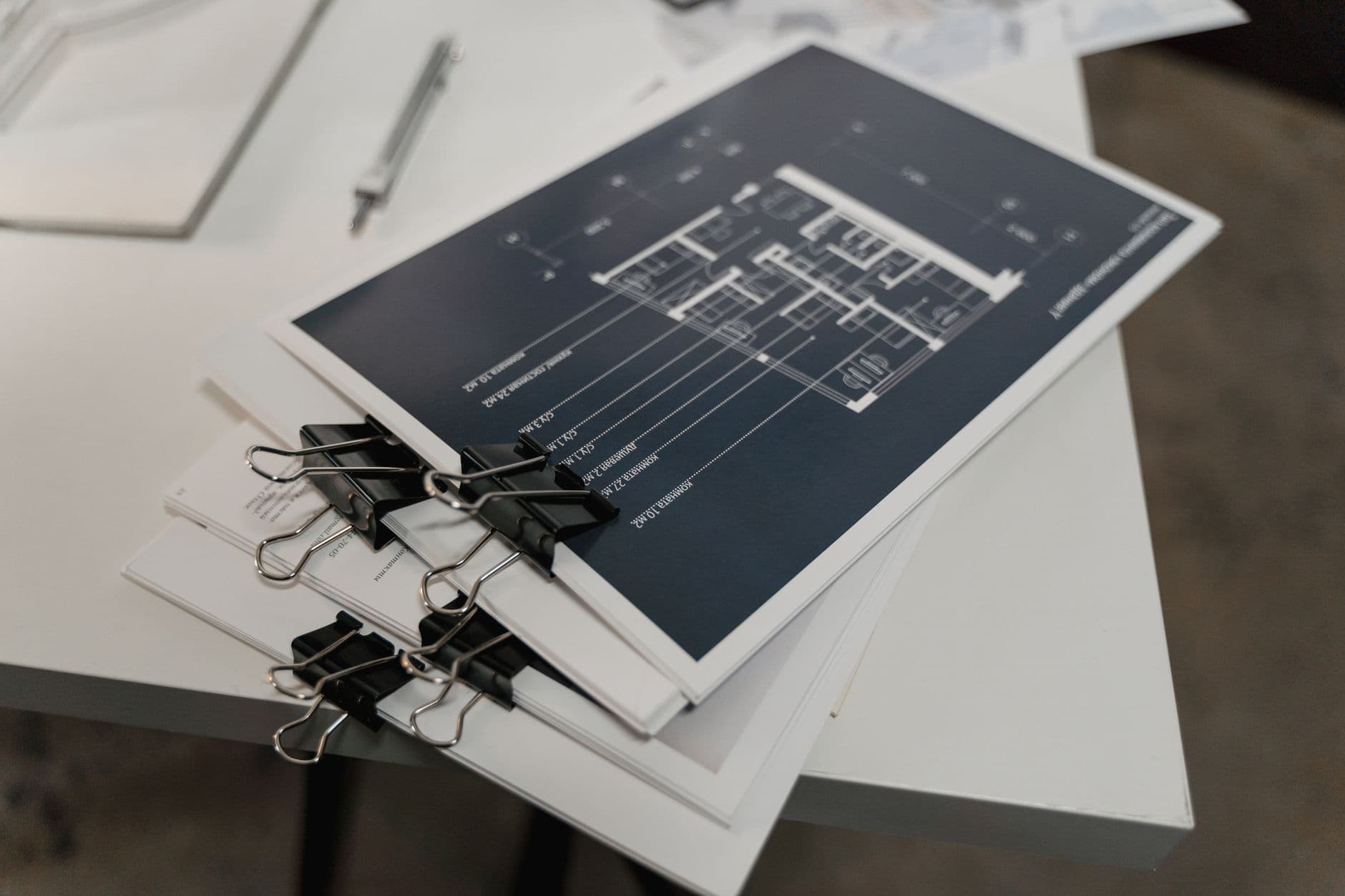
You can't compare elevator bids by price alone when the scopes don't match; you need a bid leveling sheet that lines up every line item, prices alternates separately, and flags where proprietary equipment is locking you into one vendor.
Comparing elevator bids by total price alone almost always leads to the wrong decision, because the proposals rarely describe the same scope of work. The fix is to build a bid leveling sheet that breaks every proposal into the same line items, force any alternates or options into a separate pricing table, and weigh how much of the job is proprietary equipment before you compare a single dollar figure.
Why Elevator Bids Rarely Match in the First Place
In our experience reviewing proposals for building owners, no two contractors quote a modernization or major repair the same way. One company might include a new controller, new fixtures, and a five-year parts warranty in its base price. Another might quote the controller alone and list fixtures and warranty coverage as "optional." Both bids can look competitive on the cover page and be wildly different underneath.
This happens for a few reasons:
- Contractors have different default scopes for what counts as "standard" modernization work.
- Some vendors price aggressively low on the base scope and recover margin through change orders later.
- Proprietary controller and software requirements vary by manufacturer, which changes what's actually being sold.
- Site conditions (asbestos abatement, code triggers, structural work) get handled inconsistently, some bids include it, some assume you'll handle it separately.
I've seen boards approve the "cheapest" bid only to discover six months later it excluded fixture replacement, cab interior finishes, or fire service upgrades that every other bidder had included. The number on page one told them almost nothing.
Build a Bid Leveling Sheet Before You Compare Prices
A bid leveling sheet is a simple spreadsheet where every line item from every proposal gets its own row, whether or not each contractor mentioned it. If a bidder didn't include something, you mark it as excluded rather than assuming it's bundled in.
At minimum, your rows should cover:
- Controller and drive (new, refurbished, or reused)
- Door operator and door equipment
- Cab interior and fixtures
- Hoistway wiring and traveling cable
- Machine room equipment (if hydraulic or traction with a machine room)
- Code-required upgrades (firefighter service, ADA-compliant fixtures, phone/communication systems)
- Permits and inspection fees
- Warranty length and what it covers
- Maintenance terms after modernization (who services it, for how long, at what rate)
Once you lay every proposal out this way, the price differences usually start making sense. A bid that looked 20% cheaper might be excluding warranty coverage or post-installation maintenance that the higher bids included. This is the same discipline we recommend in our guide on how to get competitive elevator bids and actually compare them, and it's worth doing even if you only received two proposals.
Force Alternates and Options to Be Priced Separately
Contractors love bundling "alternates" into a base price because it makes the number look more attractive, or burying them in a way that makes the scope hard to isolate. Before you compare bids, go back to every vendor and require that any optional or alternate scope be priced as its own line item, separate from the base number.
Common alternates worth isolating:
- LED retrofit lighting versus standard fixtures
- Destination dispatch versus conventional call buttons
- Cab interior upgrades (stainless steel, laminate, mirrors)
- Extended warranty periods beyond the standard one or two years
- Regenerative drives versus standard drives
When alternates are priced separately, you can decide which ones you actually want and compare base-scope pricing on equal footing. Without this step, you're often comparing a base bid from one contractor against a fully loaded bid from another and drawing conclusions about who's expensive that don't hold up.
Weight Proprietary vs. Non-Proprietary Equipment
This is the part that catches building owners off guard. Elevator controllers and some door equipment can be proprietary, meaning only the manufacturer (or a licensed dealer) can service or reprogram them. If your building has KONE, Otis, Schindler, TK Elevator, Mitsubishi Electric, or Fujitec equipment and a modernization bid proposes keeping the manufacturer's proprietary controller, you need to understand what that means for future service competition.
A non-proprietary controller (sometimes called an "open" or "universal" controller) can typically be serviced by any qualified elevator company. A proprietary controller often locks you into one vendor, or a small number of licensed dealers, for the life of the equipment. That's not automatically a bad deal, proprietary systems can offer strong diagnostics and manufacturer support, but it does affect your future maintenance pricing leverage. It depends on your equipment age and how competitive the local service market is for that brand.
When you're leveling bids, add a row that simply asks: is this controller proprietary or open? A bid that's $15,000 cheaper on paper but locks you into a single-source maintenance relationship for the next 20 years isn't necessarily the better deal. This ties directly into questions we cover in Elevator Modernization vs. Replacement, since the proprietary question often decides which path makes more financial sense long-term.
Common Scope Gaps That Skew Comparisons
Even with a leveling sheet, a few scope gaps show up so often they deserve their own callout:
- Code compliance work. One bidder assumes the job triggers a firefighter's service upgrade or ADA fixture replacement, another doesn't mention it at all. Confirm which code-driven items are actually required for your jurisdiction before assuming either bid is complete.
- Machine room vs. machine-room-less equipment. Retrofitting a hydraulic unit or older traction system into an MRL configuration changes cost and timeline substantially, and not every bid accounts for the structural or electrical changes involved.
- Maintenance during and after the project. Some proposals include a maintenance agreement transition, others leave your building on its existing contract until the new equipment is accepted, which can create a coverage gap.
- Escalation clauses. Multi-month modernization projects sometimes include price escalation language tied to material costs. If one bid has it and another doesn't, that's a meaningful difference buried in the fine print.
For a broader sense of what a fair modernization number actually looks like once scopes are aligned, our guide to elevator pricing benchmarks is a useful cross-check.
When Leveling Isn't Enough
A leveling sheet gets you most of the way there, but some scope gaps are hard to catch without industry experience, particularly around what a proposal implies but doesn't explicitly state. This is where a second set of eyes helps. If you have two or three bids that still don't line up after you've done the leveling exercise, or you're not confident you caught every excluded item, it's worth getting an independent read before you sign anything.
That's the exact problem our $499 flat-rate proposal review is built to solve. We take the actual bids, whether they're for repair, maintenance, or full modernization, and tell you plainly what's missing, what's overpriced relative to market ranges, and where one bidder is quietly excluding scope another included. You can request that review at /elevator-consultation-request.
Frequently Asked Questions
How many elevator bids should I collect before comparing them?
Three bids is generally the sweet spot for most modernization or major repair projects. Two can work if you're confident in both contractors, but with only one bid you have no market reference at all, and beyond four or five the leveling exercise gets time-consuming without adding much new information.
What if a contractor refuses to break out alternates separately?
Treat that as a caution flag, not a dealbreaker. Most reputable contractors will itemize pricing on request; a flat refusal often means the base number is intentionally padded or thin, and you should ask more specific questions about what's actually included before proceeding.
Is a lower total price ever the right choice even with excluded scope?
Sometimes, if the excluded items are things you genuinely don't need (like cab interior finishes on a unit you plan to replace again in five years). The key is deciding that deliberately, after seeing the full leveled comparison, rather than by accident because one bid's number looked smaller on the summary page.
Does bid leveling apply to maintenance contracts too, not just modernization?
Yes, and it's arguably more important there since maintenance contracts run for years. Our guide on is my elevator proposal fair walks through how to apply similar scope-normalization thinking to repair and maintenance quotes specifically.
How long does a proper bid leveling exercise usually take?
For a straightforward modernization with two or three bids, budget three to five hours if you're doing it yourself, more if the proposals are lengthy or written in dense technical language. This article is general information, not legal advice; have an attorney review contract language before signing.
Elevator Insight provides professional opinion based on the information provided. We are not an inspector, contractor, or installer.
Disclaimer: Evaluations by Elevator Insight are a professional opinion based on the information provided. We are not an inspector, contractor, or installer.